
-
Add to cart
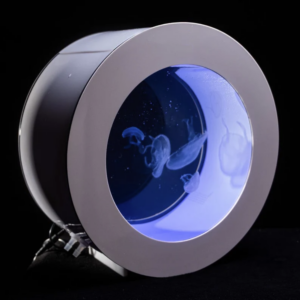
Home Jellyfish Tank
Bring the hypnotic beauty of the ocean into your home or office with our premium home jellyfish tank — the ultimate pet jellyfish aquarium designed specifically for thriving moon jellyfish. This elegant 5.2-gallon acrylic moon jellyfish tank combines effortless maintenance with breathtaking visuals, making it ideal for beginners, families, and jellyfish enthusiasts searching for a high-quality home jellyfish aquarium or pet jellyfish aquarium.
-
Add to cart
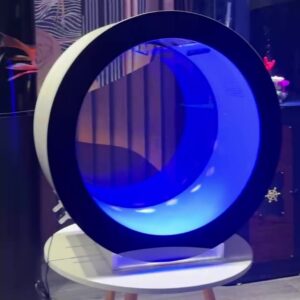
50L Jellyfish Tank
Bring the serene magic of the ocean into your living space with our 15 gallon jellyfish tank — an ideal home jellyfish tank and stunning display for jellyfish pets. This spacious yet manageable system transforms any room into a tranquil underwater gallery, making it one of the most rewarding ways to enjoy living art at home.
-
Add to cart
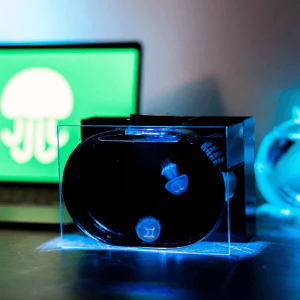
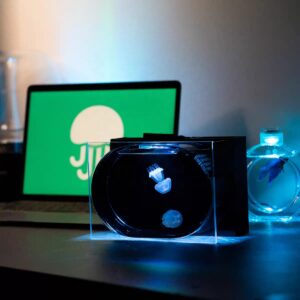
Small Jellyfish Tank
Looking for an affordable entry into the world of jellyfish tanks and pet jellyfish aquariums? This compact 1/2 gallon moon jellyfish tank is one of the most budget-friendly options available. However, we want to be upfront: due to its small water volume, this mini jellyfish aquarium is more challenging to maintain than larger models. Jellyfish prefer very stable water conditions, and smaller volumes fluctuate faster, requiring more consistent care and attention.
-
Add to cart
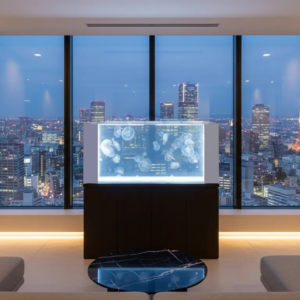
Big Jellyfish Tank
Looking for a Bigger Jellyfish Tank?
Meet Bad Squishy — the playful, high-performance jellyfish tank that brings serious wonder and a whole lot of personality into your home. This unique home jellyfish tank from Squishy Tanks Jellyfish Aquariums combines innovative engineering, stunning lighting, and clever design touches to create one of the most enjoyable jellyfish aquariums you’ll ever own.
Whether you’re a beginner looking for your first jellyfish pets or a seasoned keeper wanting something special, Bad Squishy delivers mesmerizing beauty with practical upgrades that make daily enjoyment effortless.

Realistic Jellyfish Motion
Engineered flow dynamics replicate ocean currents — your jellies pulse and drift exactly

Statement Decor
Designed to anchor a room. Equally at home above a sideboard, on an executive desk, or in a hotel lobby.

Effortless Setup
Plug in, fill, and glow. Pre-cycled biological filters mean you're up and running in under fifteen minutes.

An Unforgettable Gift
Concierge gift wrapping, hand-written card, and white-glove delivery. The most-talked-about present, every time.
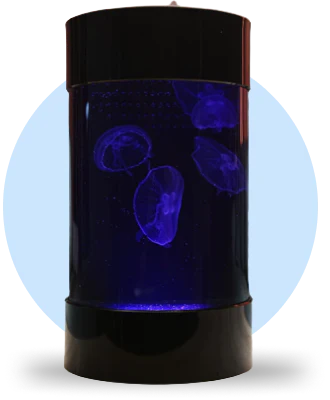
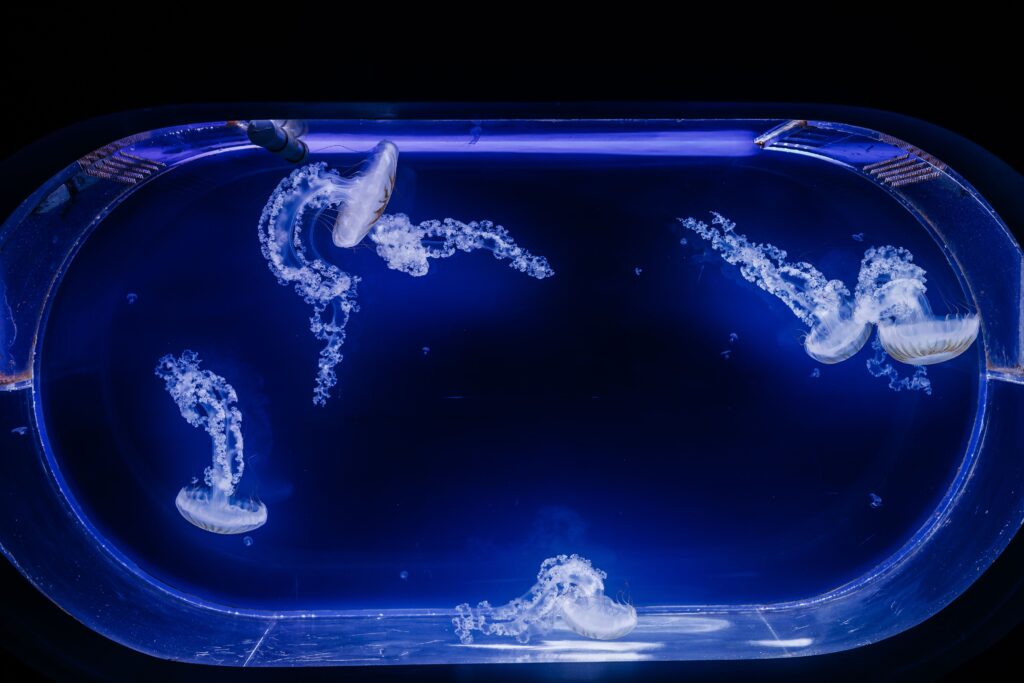
Why choose a Jellyfish Tank…?
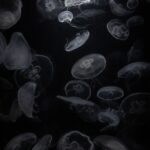 Jellyfish tanks stand out for their beauty and relative simplicity. Unlike active fish that dart around, jellyfish drift gracefully, creating a calming ambiance. They require no complex live rock or heavy bioload management, but they demand pristine water quality, stable parameters, and specialized flow. A properly set-up jellyfish aquarium can house moon jellies, blubbers, or other species for months to years with consistent care.
Before diving in, research species compatibility. Moon jellyfish (Aurelia aurita) are hardy beginners’ choices for jellyfish tanks. More advanced keepers might try sea nettles or upside-down jellies. Always source from reputable suppliers to ensure healthy stock.
Step-by-Step: Getting Your Saltwater Tank Ready for Jellyfish Tanks
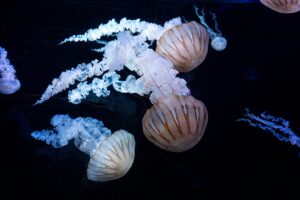
Setting up a jellyfish aquarium requires patience, especially during the cycling phase. Rushing can lead to high ammonia or nitrite spikes that harm delicate jellies. Plan for 2–4 weeks of preparation.
During this time, focus on establishing a stable biological filter and allowing beneficial bacteria to colonize your tank. Test your water parameters daily and make small adjustments only when necessary. Remember, a slow and steady start gives your jellyfish the best chance at long-term success and helps prevent the heartbreaking losses that can happen when the cycle is rushed.
Step 1: Choose and Position the Right Jellyfish Tank
Select a dedicated kreisel or pseudo-kreisel jellyfish aquarium designed for circular flow. Popular options include desktop models 5 Gallon Pet Jellyfish Tank and 15 Gallon Jellyfish Tanks or larger systems like Squishy Tanks has a 75 gallon, Bad Squishy. Place the tank on a sturdy, level surface away from direct sunlight, heat vents, or high-traffic areas to maintain stable temperatures. Avoid standard rectangular aquariums, as they create dead spots where jellies can sink and suffocate.
Step 2: Gather Equipment
When choosing a jellyfish aquarium, carefully check what’s included with the tank. Many quality setups come with a full starter kit — or at least most of the essential supplies needed for happy, healthy jellyfish.
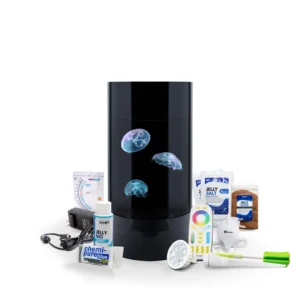 It’s always smart to research proper jellyfish care, review the specific requirements of your tank model, and make sure it’s compatible with the species of jellyfish you plan to keep.
- Filtration: Gentle mechanical and biological filtration. Sponge filters or oversized bio-media work well. Avoid strong powerheads.
- Circulation: Air pumps or low-flow pumps for laminar, gentle currents. Many jellyfish tanks include built-in systems.
- Lighting: Low to moderate LED lights. Jellyfish don’t need intense lighting unless keeping photosynthetic species like upside-down jellies.
- Chiller/Heater: Temperature control is critical. A chiller is often necessary for warmer rooms.
- Testing Kit: Salinity (hydrometer/refractometer), pH, ammonia, nitrite, nitrate, temperature.
- Water Source: Reverse osmosis (RO) or distilled water + marine salt mix. Never use tap water.
- Other: Substrate (optional glass beads or bare bottom), ladle for handling, RO top-off system.
Step 3: Prepare and Fill with Saltwater
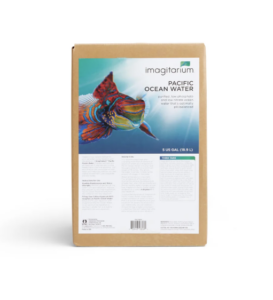
Moon Jellies generally do well in premixed saltwater kept at room temperature. I’ve personally used ready-mix saltwater for both initial tank setup and regular water changes with excellent results.
That said, the goal is always to get your water parameters as close to ideal as possible while understanding that some natural fluctuation will occur. The key is to make adjustments gradually.
In one particularly dark chapter, I chased perfect water parameters so aggressively that I ended up losing an entire group of Moon Jellies. After watching them slowly deteriorate, I had no choice but to lay them to rest with the sound of a final flush to the porcelain gods.
They never stood a chance against my well-intentioned obsession.

Step 3.1: Mixing Marine Saltwater
RO/DI water is basically the cleanest, purest water you can get — perfect for mixing your saltwater because it gives you full control over the parameters without unwanted minerals or chemicals interfering.
RO and DI explained simply:
- RO = Reverse Osmosis A filtration process that removes most impurities, minerals, chlorine, and contaminants from water using high pressure through a special membrane. It’s very pure and commonly used for aquariums.
- DI = Deionized (or Deionised) A further purification step after RO that removes any remaining ions (dissolved salts/minerals) using special resin filters. This makes the water extremely pure.
| Water Type | Good for Jellyfish? | Why / Why Not |
|---|---|---|
| RO/DI Water | Best choice | Purest option. Removes almost all impurities, minerals, chlorine, and contaminants. |
| Distilled Water | Very good | Excellent and widely available. Slightly less pure than RO/DI but still safe. |
| Alkaline Water | Avoid | Usually has added minerals and higher pH that can mess up your balance. |
| Mineral Water | Avoid | Contains dissolved minerals that will throw off your salinity and parameters. |
| Tap Water | Never use | Contains chlorine, chloramines, heavy metals, and other chemicals that are toxic to jellyfish. |
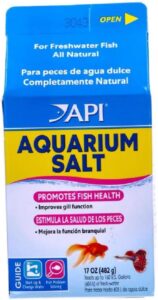 Mix marine salt (e.g., API Aquarium Salt, Reef Crystals, Red Sea Salt or TMC Reef Salt) with RO water to target parameters. For most jellyfish tanks, aim for salinity 31–35 ppt (specific gravity 1.023–1.025), pH 8.0–8.3, and temperature 65–78°F (species-dependent). Dissolve salt thoroughly, aerate, and let it stabilize for 24 hours. Fill the tank gently to avoid bubbles.
Step 4: Cycle the Jellyfish Aquarium Cycling establishes beneficial bacteria to process waste. Add an ammonia source (e.g., ammonium chloride or a small amount of fish food) and bacteria starters like Dr. Tim’s or JellyBio. Monitor daily: ammonia rises then falls, followed by nitrite, then nitrate. Do not add jellyfish until ammonia and nitrite are 0 ppm and nitrates are low (<20 ppm). This can take 2–4 weeks. Perform small water changes if needed, but avoid additives or buffers early on.
Step 5: Fine-Tune Flow, Lighting, and Parameters Test and adjust. In a jellyfish tank, water should move in a slow, gentle vortex—enough to keep jellies off the bottom but not strong enough to damage them. Install lighting on a timer (8–12 hours). Run the system for several days post-cycle to confirm stability.
Step 6: Maintenance Routine Weekly 10–20% water changes with matched parameters. Clean debris gently. Feed sparingly to avoid overloading the system. Jellyfish aquariums thrive on consistency—sudden changes stress inhabitants.
Acclimating Your Pet Moon Jellyfish
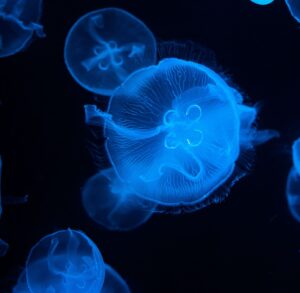
Once your jellyfish tank is fully cycled and stable, it’s time to introduce moon jellyfish. Proper acclimation prevents shock from differences in temperature, salinity, or pH. Moon jellies are relatively forgiving but still sensitive.
Preparation Before Arrival Order jellies from a trusted source and be home for delivery. Have your jellyfish aquarium parameters perfectly matched. Prepare a clean ladle or container warmed in tank water.
Step-by-Step Acclimation Process
- Temperature Equalization: Float the sealed bag in the jellyfish tank for 15–30 minutes to match temperatures. Check periodically.
- Drip or Slow Water Exchange: Open the bag and gradually mix tank water into the shipping water. Add 5–10% tank water every 10–15 minutes over 45–90 minutes. This slowly adjusts salinity and chemistry. Avoid pouring shipping water into the tank.
- Gentle Transfer: Use a ladle to scoop each moon jellyfish and lower it into the tank. Do this underwater to prevent air exposure. Release them into the gentle current.
- Observation: Monitor for the first few hours. Healthy moon jellies pulse actively and drift with the flow. Some initial “funky” behavior is normal but should resolve quickly.
Feed lightly after 1–2 hours with enriched baby brine shrimp or specialized jelly food. Avoid overfeeding initially.
Common Acclimation Mistakes to Avoid
- Rapid changes: Can cause bell shrinkage or tissue damage.
- Adding shipping water: Introduces potential contaminants or mismatched parameters.
- Strong flow: New jellies need time to orient.
- Overcrowding: Start with a few in your jellyfish tank.
With proper acclimation, moon jellyfish often thrive immediately in a prepared jellyfish aquarium.
Ongoing Care in Your Jellyfish Tank
Feeding: Moon jellies eat zooplankton, baby brine shrimp, or commercial jelly foods 1–2 times daily. Target feed to ensure nutrition without excess waste.
Water Quality: Test weekly. Keep ammonia/nitrite at 0, nitrates low. Perform regular partial changes.
Health Monitoring: Watch for shrinking bells (stress), irregular pulsing, or lesions. Quarantine new additions.
Expansion: Once comfortable, consider mixing compatible species in larger jellyfish aquariums, but research carefully.
Troubleshooting: Cloudy water? Increase filtration or changes. Jellies sinking? Adjust flow. High nitrates? More frequent changes.
Jellyfish tanks reward patience. Many enthusiasts report years of enjoyment from a single well-maintained setup. Educational outreach, like classroom donations, extends the impact of your hobby.
Water Parameters for Different Jellyfish Species
Here is a summary of recommended water parameters for common species suitable for home jellyfish tanks and aquariums. Always match your specific jellyfish aquarium setup and monitor closely. Parameters can vary slightly by supplier and individual health.
- Fried Egg Jellyfish (Phacellophora camtschatica): Temperature 22–28°C (72–82°F); Salinity 33–37 ppt; pH 8.0–8.4; Ammonia/Nitrite 0 ppm. Larger species needing space.
- Blubbers (Blue Blubber Jellyfish): Temperature 20–26°C (68–79°F); Salinity 25–32 ppt; pH 8.0–8.3; Low flow tolerance. Tolerant of varied conditions.
- Sea Nettle (Atlantic/others): Temperature 26–30°C (78–86°F) for many; Salinity 10–27 ppt (brackish tolerant for some); pH 8.0–8.3. Can vary by variant (bay vs. ocean).
- Pulmo (Rhizostoma pulmo / Barrel Jellyfish): Temperature 20–27°C (68–81°F); Salinity 30–32 ppt; pH 8.0–8.4; Gentle flow. Low-maintenance with mild sting.
- Cannonballs: Temperature 20–28°C (68–82°F); Salinity ~19–32 ppt (often lower ~1.014 SG ideal); pH 8.0–8.3. Dedicated tank preferred.
- Moons (Moon Jellyfish): Temperature 65–78°F (18–26°C, ideal 65–74°F); Salinity 31–35 ppt (1.023–1.025 SG); pH 8.0–8.3; Ammonia/Nitrite 0, Nitrates <20 ppm. Most forgiving for beginners.
- Upside Down Jellyfish (Cassiopeia spp.): Temperature 74–82°F (23–28°C); Salinity 1.023–1.026 (25–35 ppt); pH 8.1–8.4. Strong lighting for zooxanthellae; sandy bottom; tolerate some ammonia.
- Lactiods (likely referring to similar rhizostome or lagoon-style jellies; parameters akin to spotted/lagoon jellies): Temperature 24–28°C; Salinity 30–35 ppt; pH 8.0–8.4; Gentle to medium flow. Confirm exact species with supplier.
Tailor your jellyfish tank to the most demanding species if mixing. Stability trumps perfection—small, frequent adjustments beat large swings.
In conclusion, a successful jellyfish aquarium begins with thorough preparation of your saltwater tank and careful acclimation, especially for moon jellyfish. With the right setup, your jellyfish tank becomes a living art piece that educates and inspires. Invest time upfront, maintain diligently, and enjoy the hypnotic dance of these ancient mariners. Whether for personal enjoyment or educational jellyfish aquariums, the rewards are immense. Happy jellykeeping! (Word count: approximately 2000)